Stretch film is one of the most widely used materials in warehouse packing operations. It helps secure products on pallets, protect goods during transportation, and improve storage efficiency. However, improper use of stretch film can lead to damaged products, wasted materials, and increased packing costs.
For warehouses, logistics companies, and manufacturers, understanding common stretch film mistakes is essential for improving packing performance and reducing unnecessary expenses.
Stretch film is a flexible plastic film made mainly from LLDPE (Linear Low-Density Polyethylene). It is designed to stretch around products and create a secure wrapping force.
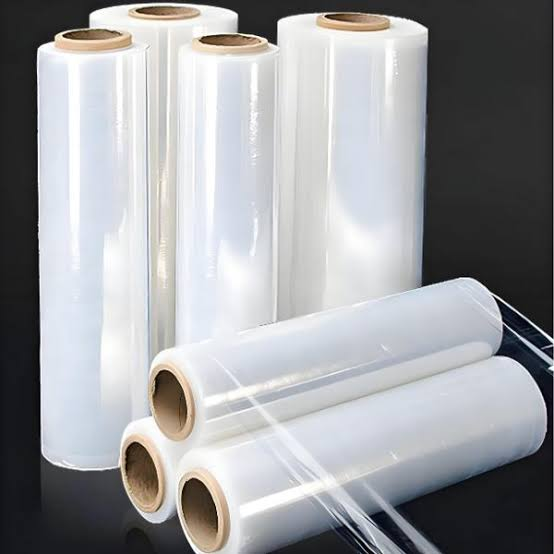
Common warehouse applications include:
A suitable stretch film provides:
One of the most common mistakes is selecting stretch film without considering the actual packing requirements.
Different applications require different film properties.
For example:
Using a film that is too thin or unsuitable can cause:
Before purchasing stretch film, evaluate:
Stretch force directly affects the stability of wrapped products.
Many operators either:
Over-stretching can cause:
Low tension may result in:
Use the recommended stretch ratio according to the film specifications and packing equipment.
Some warehouses believe that adding more film layers always improves protection.
However, excessive wrapping can create:
The goal is not to use more film, but to use the right amount of film with proper wrapping force.
High-quality stretch films can provide strong performance with fewer layers.
Low-quality stretch film may appear cheaper initially, but it can increase total operating costs.
Poor-quality film often causes:
Professional warehouses should consider:
A reliable stretch film supplier can help select the right material for different applications.
Stretch film performance can be affected by improper storage.
Common storage mistakes include:
These conditions may reduce:
Store stretch film rolls in:
Stretch film must work properly with the packing system being used.
Different applications may require:
Using unsuitable film can lead to:
For automated warehouses, choosing machine-compatible stretch film is especially important.
Even high-quality stretch film cannot perform well if operators use incorrect packing methods.
Common operation problems include:
Proper training helps operators achieve:
Many companies are now focusing on sustainable packing solutions.
Traditional stretch film usage may create unnecessary plastic waste if not properly managed.
Businesses can improve sustainability by:
To achieve better warehouse packing results, companies should focus on:
Choose film based on:
Proper stretching improves:
Automatic and semi-automatic wrapping machines can provide:
A professional stretch film manufacturer can provide customized solutions based on your packing requirements.
Stretch film plays an important role in warehouse packing, but incorrect selection and usage can reduce efficiency and increase costs.
Avoiding common mistakes such as choosing the wrong film type, applying incorrect tension, overusing materials, and ignoring storage conditions can help businesses achieve better packing performance.
By selecting high-quality stretch film and using proper packing methods, warehouses can improve load stability, reduce waste, and create more efficient logistics operations.
NAIGU provides high-quality stretch film and PE film solutions for industrial packing, mattress packing, furniture protection, and warehouse applications.
Our stretch films are designed to provide:
Whether for manual packing or automated warehouse operations, NAIGU helps customers find the right film solution for their business needs.
Contact NAIGU today for professional stretch film solutions.
📧 Email: jenney@gdnaimei.com
📱 WhatsApp/Phone: +86 13924835577
🌐 Website: https://naigufilms.com/


