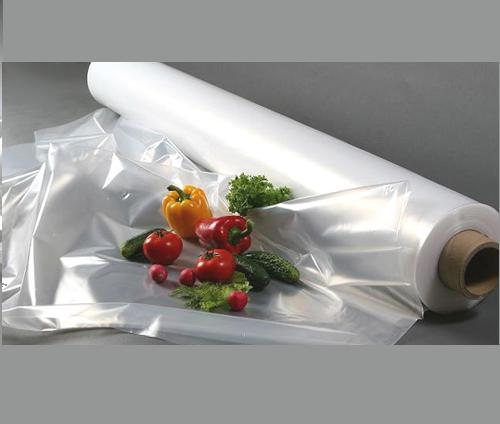
How Film Quality Affects Greenhouse Crop Protection |NAIGU
Discover how greenhouse film quality affects crop protection, light transmission, UV resistance, temperature regulation, anti-drip performance, and durability.
Oct 22nd,202659 Views
How Film Quality Affects Greenhouse Crop Protection
Greenhouse film plays an important role in protecting crops from changing weather conditions while helping maintain a suitable growing environment. However, not all agricultural films provide the same level of protection. Differences in material quality, light transmission, UV resistance, and durability can significantly affect greenhouse performance and crop management.
For growers, greenhouse operators, and agricultural distributors, choosing the right film quality is essential for protecting plants, improving growing conditions, and managing long-term operating costs.
1. Light Transmission and Crop Growth
Light is essential for photosynthesis and healthy plant development. High-quality greenhouse film is designed to provide suitable light transmission, allowing crops to receive sufficient natural sunlight.
Depending on the film formulation, light-diffusing properties can also help distribute sunlight more evenly throughout the greenhouse. This may reduce excessive shading in some areas and support more uniform crop development.
When selecting greenhouse film, growers should consider crop-specific light requirements, local sunlight intensity, and seasonal conditions.
2. UV Resistance and Film Durability
Continuous exposure to ultraviolet radiation can cause plastic film to deteriorate over time, resulting in brittleness, cracking, and reduced mechanical strength.
UV-stabilized greenhouse film is designed to resist this degradation and maintain its performance under prolonged sunlight exposure.
The benefits of suitable UV stabilization include:
Improved resistance to weather-related aging.
Reduced risk of premature cracking and tearing.
More consistent protection throughout the growing season.
Potentially longer service life and lower replacement costs.
The appropriate UV stabilization level depends on local climate, installation conditions, and the intended service life of the film.
3. Temperature Regulation and Weather Protection
Greenhouse film helps moderate the growing environment by acting as a barrier against wind, rain, and external temperature changes. Certain film formulations can also improve heat retention, depending on their optical and thermal properties.
Stable growing conditions can help reduce environmental stress on crops and support more predictable production.
When evaluating film quality, growers should consider both daytime solar heat gain and nighttime heat retention. Ventilation, greenhouse structure, and heating systems also influence temperature management, so film selection should be part of an overall greenhouse climate strategy.
4. Anti-Drip Performance and Humidity Management
Condensation frequently develops on the inner surface of greenhouse coverings when warm, humid air comes into contact with cooler film.
Large water droplets may fall onto plants, while condensation can also reduce the amount of light passing through the covering.
Greenhouse films with anti-drip properties encourage condensed water to spread into a thinner layer and drain along the film surface rather than forming large droplets.
This feature can help:
Reduce dripping directly onto crops.
Maintain better light transmission under suitable conditions.
Support greenhouse humidity management.
Reduce some moisture-related crop risks.
Anti-drip film does not eliminate excessive humidity or plant diseases. Proper ventilation and crop management remain essential.
5. Mechanical Strength and Resistance to Damage
Greenhouse film must withstand installation tension, wind pressure, and routine environmental exposure. Poor-quality film may tear more easily, creating openings that expose crops to unfavorable weather conditions.
Mechanical performance depends on several factors, including resin quality, film thickness, formulation, and manufacturing consistency.
When choosing agricultural film, growers should evaluate tensile strength, tear resistance, puncture resistance, and installation requirements rather than relying on thickness alone.
For greenhouses exposed to strong winds or demanding weather, selecting a suitable film specification and installing it correctly are particularly important.
6. How Film Quality Affects Long-Term Operating Costs
Low-cost greenhouse film may appear attractive initially, but frequent replacement and maintenance can increase total ownership costs.
Higher-quality film may offer better durability, more consistent optical properties, or additional functional features suited to specific growing conditions.
To compare different products, growers should assess:
Initial purchase and installation costs.
Expected service life under local conditions.
Light transmission and UV resistance.
Maintenance and replacement frequency.
Suitability for the crops being cultivated.
The best option is not necessarily the most expensive film. It is the product that provides the required protection and performance at a reasonable total cost.
7. How to Choose the Right Greenhouse Film
Before purchasing greenhouse film, agricultural businesses should identify their production requirements and local environmental conditions.
Key considerations include:
Crop type: Different crops have different requirements for light, temperature, and humidity.
Climate: UV exposure, wind, rainfall, and seasonal temperature changes influence film selection.
Film thickness: Select an appropriate thickness based on structural design, installation conditions, and expected mechanical stress.
Functional additives: Depending on the application, UV stabilization, anti-drip performance, light diffusion, or thermal properties may be important.
Manufacturing consistency: Uniform thickness, reliable material quality, and consistent production standards help reduce performance variations.
Requesting product specifications and testing samples before bulk purchasing can help confirm suitability for the intended greenhouse application.
Customized Agricultural Film from NAIGU Films
NAIGU Films provides agricultural film solutions for different farming and greenhouse applications. Film requirements can be discussed according to dimensions, thickness, UV stabilization, optical properties, and expected service life.
By matching film specifications to local growing conditions, agricultural businesses can select a suitable covering solution for crop protection and greenhouse management.
For customized inquiries, buyers should provide the greenhouse dimensions, crop type, local climate, required film thickness, and any specific performance requirements.
Conclusion
Film quality affects greenhouse crop protection through light transmission, UV resistance, temperature regulation, moisture management, and mechanical durability. Choosing the right agricultural film can help growers maintain more suitable growing conditions while reducing premature film failure and unnecessary replacement costs.
Rather than focusing on price or thickness alone, growers should evaluate the complete performance of the film in relation to their crops, climate, and greenhouse structure.