Categories

How Greenhouse Film Influences Light Management in Agriculture |NAIGU

Discover how greenhouse film influences light transmission, light diffusion, UV protection, and crop growing conditions. Learn how to select suitable agricultural PE greenhouse film.
Nov 18th,2026 1 Views
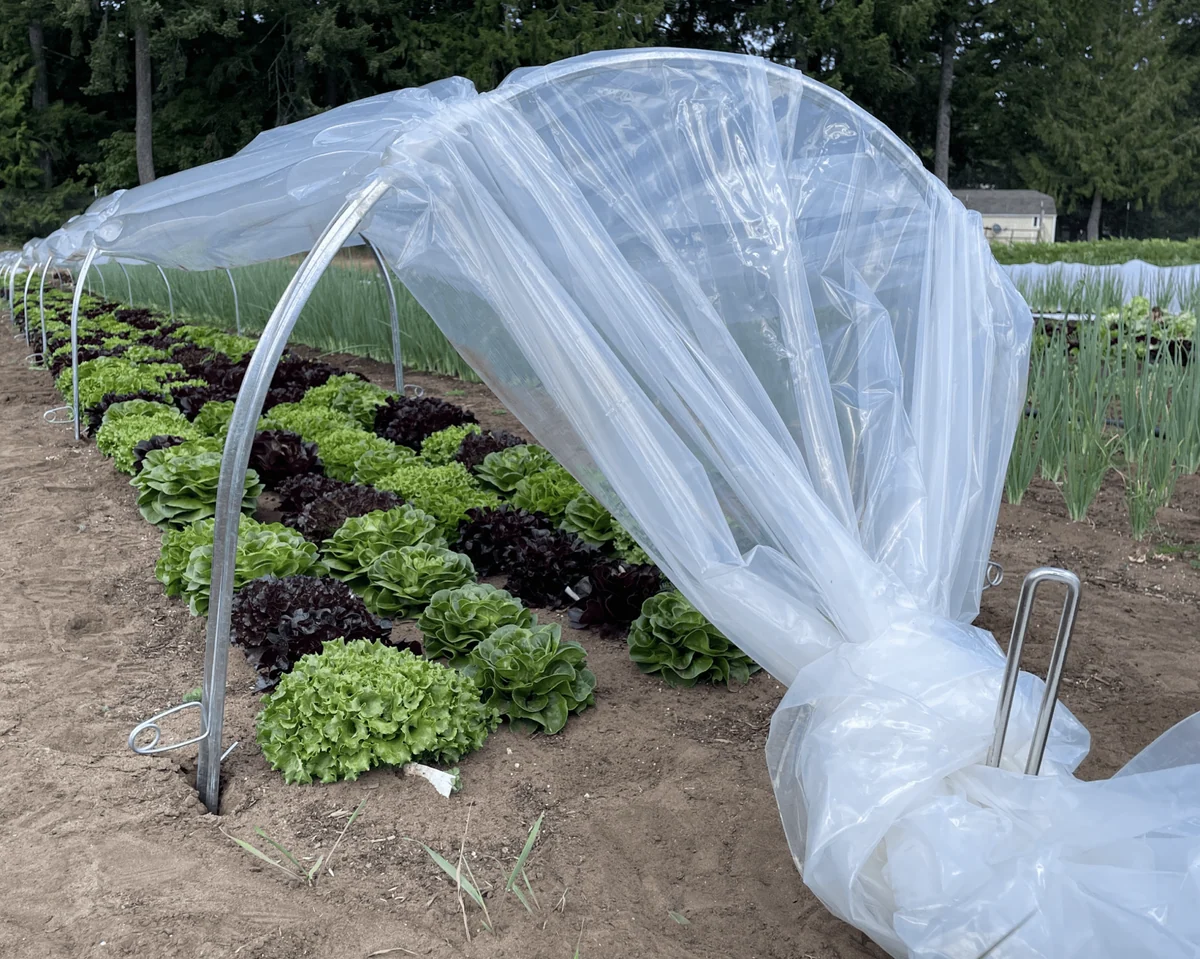
Light is one of the most important factors affecting plant growth in greenhouse agriculture. It influences photosynthesis, crop development, flowering, and overall production performance. While sunlight is a natural resource, the amount and distribution of light inside a greenhouse depend significantly on the covering material.
Greenhouse film plays an important role in agricultural light management. By controlling light transmission, diffusion, and distribution, suitable greenhouse film helps growers create more consistent growing conditions for different crops.
This article explores how greenhouse film influences light management and what agricultural buyers should consider when selecting greenhouse covering materials.
1. Light Transmission: Controlling the Amount of Sunlight
Light transmission refers to the percentage of incoming sunlight that passes through greenhouse film.
High light transmission allows more natural sunlight to enter the greenhouse, supporting photosynthesis and plant development. This is particularly important for crops that require substantial sunlight during their growing cycles.
However, the ideal light transmission level depends on several factors:
  • Crop species and light requirements
  • Local climate and sunlight intensity
  • Greenhouse structure and orientation
  • Seasonal growing conditions
  • Temperature management requirements
For regions with limited sunlight, greenhouse film with high light transmission may help maximize available natural light. In areas with intense sunlight, growers may need to consider additional shading or light management solutions.
2. Light Diffusion: Improving Light Distribution Inside Greenhouses
Direct sunlight can create uneven lighting conditions inside a greenhouse. Some areas may receive excessive light, while lower leaves and shaded sections receive less.
Light-diffusing greenhouse film helps scatter incoming sunlight in different directions.
This can provide several agricultural benefits:
  • More uniform light distribution throughout the growing area
  • Improved light availability for lower plant leaves
  • Reduced differences between strongly illuminated and shaded areas
  • More consistent growing conditions across greenhouse sections
Diffused light can be particularly useful for crops with dense foliage, where the distribution of sunlight throughout the plant canopy is important.
The actual performance depends on the film's optical properties, greenhouse design, and crop arrangement.
3. Direct Light vs. Diffused Light: Understanding the Difference
Direct and diffused sunlight behave differently inside a greenhouse.
Direct Light
Direct sunlight travels in a relatively concentrated direction. It can provide strong illumination but may create uneven light distribution, particularly in densely planted greenhouses.
Diffused Light
Diffused sunlight is scattered as it passes through or interacts with the greenhouse covering material. It spreads across a wider area and can reach more parts of the plant canopy.
For commercial greenhouse operations, choosing between higher direct transmission and greater light diffusion depends on crop requirements and local growing conditions.
In many applications, a balanced combination of light transmission and diffusion is more practical than focusing on only one parameter.
4. How Greenhouse Film Affects Crop Growth Conditions
Greenhouse film influences the growing environment by regulating the sunlight entering the structure.
Its optical characteristics can affect several aspects of crop production.
Photosynthesis
Plants use light for photosynthesis. Adequate light transmission helps maintain the natural energy supply required for plant growth.
Canopy Light Distribution
Diffused light can improve the distribution of sunlight across leaves at different heights, particularly in crops with dense canopies.
Crop Uniformity
More consistent light conditions may help reduce differences in plant development between areas receiving different levels of sunlight.
Growing Environment
Greenhouse film also interacts with other environmental factors, including temperature and humidity. Therefore, light management should be considered together with ventilation and climate control.
5. UV Transmission and Protection
Ultraviolet (UV) radiation is another important consideration when selecting greenhouse film.
Different greenhouse films have different UV transmission characteristics. Some products are designed to allow certain levels of UV radiation through, while others incorporate UV-blocking additives.
UV management may influence:
  • Plant development and crop responses
  • The greenhouse growing environment
  • The durability of agricultural film
  • The performance of certain beneficial insects and biological control systems
It is important to distinguish between UV transmission for agricultural applications and UV stabilization of the film itself. UV stabilizers help protect plastic film from sunlight-related degradation and extend its useful service life.
Buyers should select UV characteristics according to crop requirements, regional conditions, and greenhouse management practices.
6. The Importance of Anti-Drip and Anti-Fog Properties
Condensation can form on the inner surface of greenhouse film when temperature and humidity conditions change.
Water droplets may affect light transmission by scattering or blocking incoming sunlight. They can also drip onto plants and growing areas.
Anti-drip greenhouse film is designed to help water spread into a thinner layer and move toward the sides of the greenhouse rather than forming large droplets.
Anti-fog properties help reduce the formation of visible condensation-related fog.
These features can support better visibility and more consistent light conditions inside the greenhouse.
Their effectiveness depends on the film formulation, environmental conditions, and the duration of the functional treatment.
7. How to Select Greenhouse Film for Different Agricultural Applications
Different crops and growing regions require different greenhouse film specifications.
When selecting agricultural PE greenhouse film, buyers should evaluate the following factors:
Selection Factor
What to Consider
Light transmission
Crop light requirements and regional sunlight
Light diffusion
Canopy density and growing arrangement
UV properties
Crop needs and film durability
Film thickness
Greenhouse structure and expected service life
Anti-drip performance
Humidity and condensation conditions
Film width
Greenhouse dimensions and installation requirements
Mechanical strength
Wind, weather, and installation conditions
For commercial greenhouse projects, it is advisable to evaluate multiple specifications together rather than choosing film based on light transmission alone.
8. What Should Buyers Ask a Greenhouse Film Manufacturer?
Before purchasing greenhouse film in bulk, agricultural distributors and greenhouse operators should communicate their requirements clearly.
Important questions include:
  1. What light transmission rate does the greenhouse film provide?
  2. Is the film designed for direct or diffused light applications?
  3. Are UV stabilizers included in the formulation?
  4. Does the film offer anti-drip or anti-fog properties?
  5. What thickness and width specifications are available?
  6. Can the manufacturer customize film formulations?
  7. What are the minimum order quantity and production lead time?
Requesting technical data sheets and product samples can help buyers compare different greenhouse film options before placing large orders.
Conclusion

Greenhouse film is more than a protective covering. Its optical properties influence how sunlight enters and spreads throughout the growing environment.
Light transmission, light diffusion, UV characteristics, and anti-drip performance are all important factors in agricultural film selection.
For greenhouse operators, agricultural distributors, and bulk buyers, selecting the right greenhouse film means balancing crop requirements, local climate conditions, film durability, and installation specifications.
NAIGU Films specializes in PE film manufacturing and customized plastic film solutions for agricultural and industrial applications. Contact our team to discuss greenhouse film specifications, customized production requirements, and bulk purchasing options.
Looking for a reliable agricultural PE film supplier? Get in touch with NAIGU Films.
📧 Email: jenney@gdnaimei.com
📱 WhatsApp/Phone: +86 13924835577
🌐 Website: https://naigufilms.com/

Request Your Film Quote Today

Tell us your film specifications, application, and quantity. Our team will recommend the right film solution and provide a competitive quotation.
Full Name : *
Your Email: *
WhatsApp/Phone
Total weight (kg)
Message *
verify *
Click to verify
Leave a message
Full Name : *
Your Email: *
WhatsApp/Phone
Total weight (kg)
Message *
verify *
Click to verify
We use Cookie to improve your online experience. By continuing browsing this website, we assume you agree our use of Cookie.