Categories

How to Choose Stretch Film for Different Pallet Loads |NAIGU

Learn how to choose stretch film for lightweight, heavy, and irregular pallet loads. Compare film thickness, stretchability, holding force, and machine compatibility for efficient industrial packing.
Nov 20th,2026 2 Views
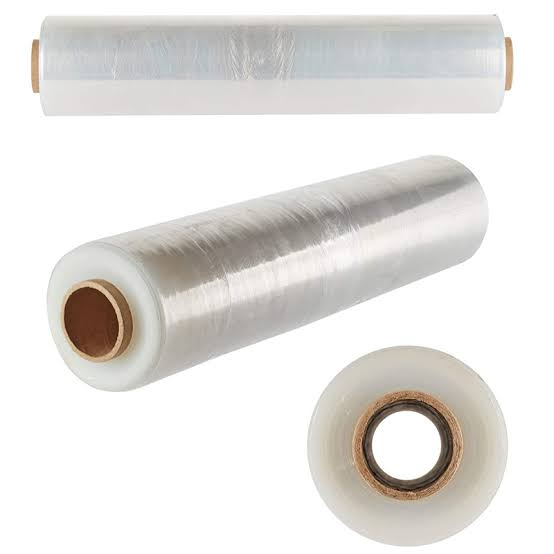
Stretch film is widely used in warehouses, distribution centers, and manufacturing facilities to secure palletized goods during storage and transportation. However, not all pallet loads require the same type of stretch film. Differences in product weight, shape, surface characteristics, and transportation conditions can significantly affect film selection.
Choosing the right stretch film helps improve pallet stability, reduce material waste, and maintain consistent packing quality. For manufacturers and logistics companies purchasing stretch film in bulk, understanding the relationship between pallet loads and film performance is essential.
This guide explains how to select suitable stretch film for different pallet loads and what buyers should consider when sourcing industrial stretch film.
1. Understanding Different Types of Pallet Loads
Before selecting stretch film, it is important to identify the characteristics of the goods being packed.
Lightweight Pallet Loads
Lightweight goods include empty cartons, plastic products, lightweight furniture accessories, and consumer goods.
These loads generally require stretch film with sufficient holding force to prevent cartons from shifting during handling. Excessively thick film may increase material consumption without providing meaningful additional benefits.
Medium-Weight Pallet Loads
Medium-weight loads often include packaged food products, household goods, paper products, and general industrial supplies.
These pallets require a balance between stretchability, puncture resistance, and load containment. Consistent wrapping tension is important to maintain stability during transportation.
Heavy Pallet Loads
Heavy pallet loads may contain metal components, construction materials, machinery parts, or large quantities of industrial products.
These applications typically require stronger film performance, reliable holding force, and appropriate puncture resistance. Film thickness and wrapping patterns should be selected according to the load's weight and shape.
Irregularly Shaped Pallet Loads
Some products have uneven surfaces, protruding edges, or inconsistent dimensions. Examples include furniture components, industrial equipment, and mixed-product pallets.
For these applications, stretch film with good puncture resistance and stretchability can help secure different product shapes more effectively.
2. How to Select Stretch Film Based on Pallet Load Characteristics
Different load conditions require different film properties.
Pallet Load Type
Recommended Film Characteristics
Main Consideration
Lightweight loads
Flexible, lightweight film
Avoid unnecessary material consumption
Medium-weight loads
Balanced stretchability and holding force
Maintain load stability
Heavy loads
Higher strength and puncture resistance
Prevent film failure
Irregular loads
Good puncture resistance and flexibility
Adapt to uneven surfaces
Sharp-edged products
Improved puncture resistance
Reduce tearing during wrapping
High-volume pallet loads
Consistent machine performance
Improve packing efficiency
The final film specification should always be verified through actual wrapping tests.
3. Important Stretch Film Specifications to Consider
When purchasing stretch film, buyers should evaluate more than just thickness.
Film Thickness
Film thickness is usually measured in microns (μm). Different pallet loads require different thickness levels depending on product weight, sharp edges, and wrapping conditions.
Thicker film may offer improved resistance to punctures and tearing, but thickness alone does not determine overall performance.
Stretchability
Stretchability refers to how much the film can elongate before breaking. Suitable stretch performance helps the film maintain tension around pallet loads.
For machine wrapping operations, film stretch characteristics should match the equipment's pre-stretch capability and wrapping speed.
Holding Force
Holding force is essential for maintaining pallet stability during storage and transportation. The film should provide sufficient containment force without damaging the packaged products.
Puncture Resistance
Pallets containing sharp corners, metal components, or irregular products may place additional stress on stretch film.
Good puncture resistance helps reduce the risk of film damage during wrapping and handling.
Film Width and Roll Specifications
Film width, roll weight, core size, and roll length should match the wrapping equipment and operational requirements.
For bulk buyers, standardized specifications can also simplify inventory management and purchasing.
4. Machine Stretch Film vs. Hand Stretch Film
The wrapping method is another important factor when selecting stretch film.
Machine Stretch Film
Machine stretch film is designed for automatic or semi-automatic pallet wrapping machines. It supports consistent wrapping tension and is suitable for warehouses and factories handling large pallet volumes.
Its specifications should match the machine's pre-stretch system, operating speed, and load requirements.
Hand Stretch Film
Hand stretch film is applied manually and is commonly used for small warehouses, low-volume operations, and irregular packing tasks.
It offers flexibility for businesses that do not require automated wrapping equipment.
For manufacturers with high daily pallet output, machine stretch film can help improve packing consistency and operational efficiency.
5. Common Mistakes When Choosing Stretch Film
Selecting stretch film based only on price or thickness can lead to unnecessary material consumption or unstable pallet loads.
Common mistakes include:
  • Choosing film thickness without considering pallet weight and load shape.
  • Using the same film specification for every product type.
  • Ignoring sharp edges and protruding components.
  • Overlooking compatibility with automatic wrapping equipment.
  • Failing to test holding force under actual operating conditions.
  • Comparing suppliers only by price per kilogram instead of overall packing performance.
A proper film evaluation should consider both material specifications and the actual cost per wrapped pallet.
6. How to Reduce Stretch Film Consumption Without Sacrificing Stability
Improving wrapping efficiency does not necessarily mean using thicker film or more layers.
Businesses can consider the following approaches:
  1. Evaluate the actual holding force required for each pallet type.
  2. Select film with suitable stretchability and puncture resistance.
  3. Adjust wrapping tension according to load characteristics.
  4. Optimize the number of wrapping layers.
  5. Maintain wrapping equipment to ensure consistent operation.
  6. Conduct regular pallet stability checks.
These measures can help manufacturers and logistics companies reduce unnecessary film consumption while maintaining reliable load containment.
7. What Should Buyers Ask Before Ordering Stretch Film?
For B2B buyers, providing detailed requirements helps suppliers recommend suitable stretch film specifications.
Before requesting a quotation, prepare the following information:
  • Film type: Machine stretch film or hand stretch film
  • Thickness: Required micron specification
  • Width: Film roll width
  • Roll weight: Net weight per roll
  • Core size: Paper core inner diameter
  • Material: LLDPE or other required formulation
  • Application: Lightweight, medium-weight, heavy, or irregular pallet loads
  • Order quantity: Estimated monthly or annual demand
For customized orders, buyers should also clarify packaging requirements, delivery terms, and quality standards.
8. NAIGU Films: Stretch Film Solutions for Industrial Packing
NAIGU Films specializes in PE and PVC film manufacturing, providing industrial film products for furniture, mattress, logistics, and general manufacturing applications.
Our product range includes stretch film, PE packing film, industrial protective film, mattress film, furniture film, and customized PE bags.
For customers sourcing stretch film in bulk, product specifications can be discussed according to application requirements, including film thickness, width, roll weight, and packing format.
We understand that different pallet loads require different levels of film performance. Selecting appropriate specifications is essential for achieving reliable packing results and efficient material usage.
Contact NAIGU Films to discuss your stretch film requirements and explore customized industrial film supply solutions.

Conclusion
Choosing the right stretch film for different pallet loads requires careful consideration of load weight, product shape, film thickness, stretchability, holding force, and wrapping equipment.
Lightweight goods may need flexible, economical film, while heavy or irregular loads generally require stronger puncture resistance and reliable load containment.
For industrial buyers, the best stretch film is not necessarily the thickest or cheapest option. It is the film that provides suitable pallet stability with efficient material consumption and consistent packing performance.
📧 Email: jenney@gdnaimei.com
📱 WhatsApp/Phone: +86 13924835577
🌐 Website: https://naigufilms.com/

Request Your Film Quote Today

Tell us your film specifications, application, and quantity. Our team will recommend the right film solution and provide a competitive quotation.
Full Name : *
Your Email: *
WhatsApp/Phone
Total weight (kg)
Message *
verify *
Click to verify
Leave a message
Full Name : *
Your Email: *
WhatsApp/Phone
Total weight (kg)
Message *
verify *
Click to verify
We use Cookie to improve your online experience. By continuing browsing this website, we assume you agree our use of Cookie.