Categories

How to Select PVC Film for Different Packing Requirements |NAIGU

Learn how to select PVC film for different packing requirements by comparing thickness, transparency, shrink performance, packing methods, storage conditions, and film quality.
Oct 14th,2026 56 Views
PVC film is widely used in industrial packing, product protection, retail packaging, and shrink packing applications. Its transparency, flexibility, and ability to conform to different product shapes make it a practical material for various industries. However, choosing the right PVC film requires careful consideration of product dimensions, packing methods, protection requirements, and operating conditions.
For manufacturers and wholesale buyers, selecting suitable PVC film can help improve packing quality, reduce material waste, and maintain consistent production efficiency.
1. Identify the Purpose of the Packing Application
The first step in selecting PVC film is to identify what the film needs to achieve. Different applications require different material properties.
  • Product display: Clear PVC film can provide good visibility for products that need an attractive retail presentation.

  • Dust protection: Suitable PVC film can help protect products from dust and surface contamination during storage.

  • Shrink packing: Heat-shrink PVC film is designed to contract when exposed to controlled heat, helping it fit closely around compatible products.

  • Industrial packing: Film specifications should match the product's size, shape, handling requirements, and storage environment.

Defining the application first helps buyers avoid selecting film based solely on price or appearance.
2. Choose the Right Film Thickness
Film thickness affects flexibility, material consumption, handling, and resistance to punctures or tears. Thicker film may provide greater resistance to certain types of physical damage, while thinner film can reduce material usage for suitable applications.
However, thickness alone does not determine overall performance. Resin formulation, film quality, product geometry, and packing conditions also influence the result.
Before placing a bulk order, buyers should evaluate samples under actual packing conditions to confirm that the selected thickness meets their requirements.
3. Consider Transparency and Appearance
For products displayed on retail shelves, transparency can influence how clearly customers see the packed item. PVC film is often selected for applications requiring a smooth surface and clear product visibility.
When comparing suppliers, evaluate the film for clarity, consistency, surface defects, and suitability for the intended packing process.
For industrial applications where appearance is less important, buyers may prioritize functional requirements such as durability, dimensional consistency, and compatibility with existing equipment.
4. Select Film According to the Packing Method
Different packing methods require different PVC film properties. Buyers should distinguish between ordinary PVC film and PVC heat-shrink film rather than assuming that every PVC film is suitable for shrink packing.

Packing method

Key considerations

Manual wrapping

Flexibility, ease of handling, and suitable dimensions

Machine wrapping

Film width, thickness consistency, and feeding stability

Heat-shrink packing

Shrink performance, sealing compatibility, and temperature settings

Retail product packing

Transparency, surface quality, and package appearance

Industrial product protection

Product shape, handling conditions, and required protection level

For automated production lines, it is especially important to confirm that the film is compatible with the machine's feeding, sealing, and heating systems.
5. Evaluate Temperature and Storage Conditions
Packing requirements do not end when the film is sealed around a product. Storage and transportation conditions can also influence material selection.
Consider whether the packed products will be exposed to high temperatures, cold environments, sunlight, or extended storage periods. These conditions may affect film flexibility, shrink behavior, or long-term appearance.
PVC film should be stored according to the supplier's recommendations, away from excessive heat and prolonged direct sunlight. For demanding applications, buyers should test the film under representative storage and transportation conditions.
6. Check Film Quality and Supplier Consistency
Consistent film quality is essential for factories purchasing PVC film in bulk. Variations in thickness, width, surface quality, or shrink behavior can lead to packing defects and production interruptions.
Before confirming an order, consider the following factors:
  • Thickness and width tolerances

  • Tensile strength and resistance to tearing

  • Transparency and surface consistency

  • Shrink performance, where applicable

  • Roll dimensions and packaging requirements

  • Batch consistency and quality inspection procedures
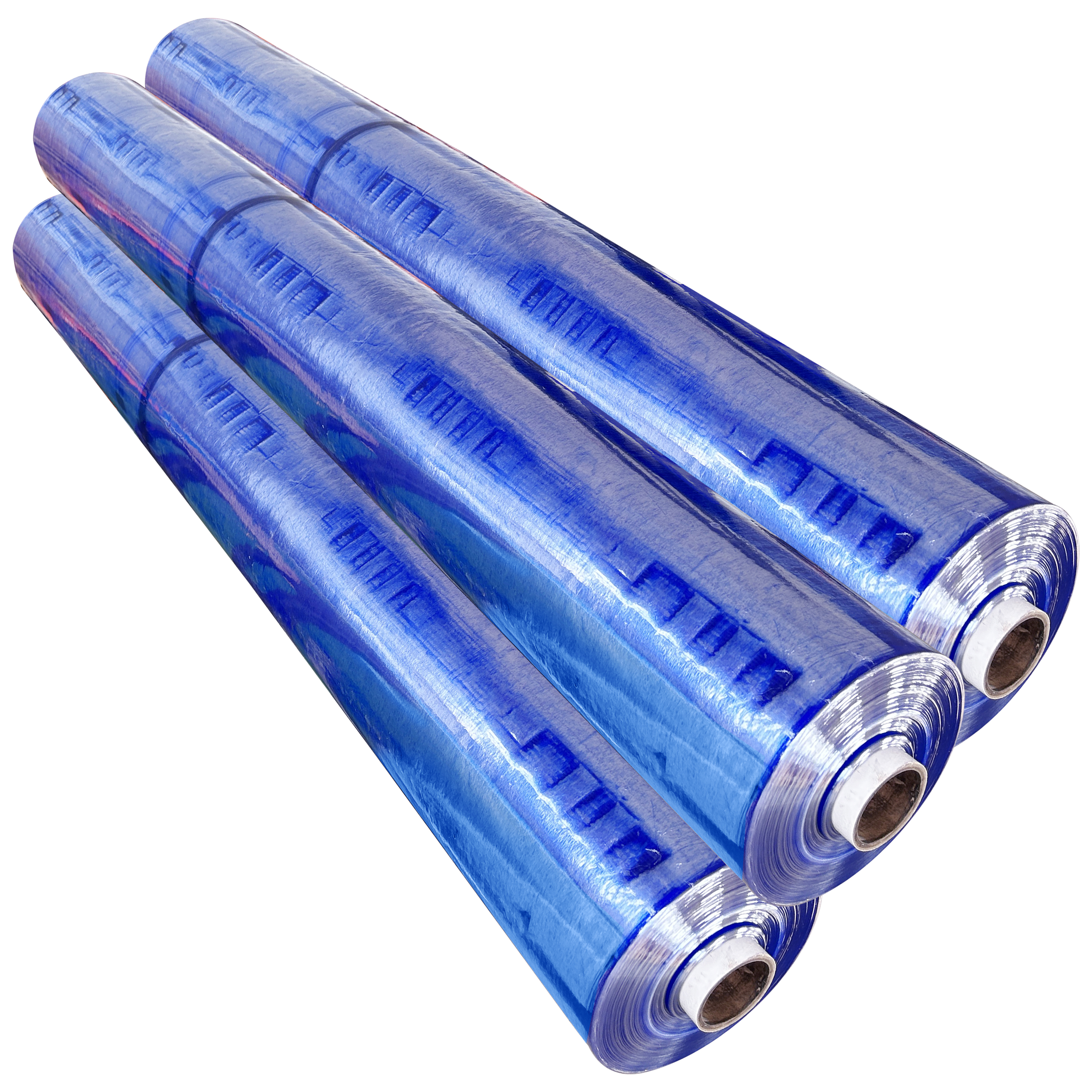
Requesting samples and technical specifications before bulk purchasing can help buyers compare suppliers more effectively.
7. Balance Material Cost and Packing Efficiency
The lowest-priced PVC film is not always the most economical choice. Film that frequently tears, seals poorly, or performs inconsistently may increase material waste, labor requirements, and machine downtime.
A more useful comparison considers the total cost of packing, including material consumption, production speed, rejected packages, and storage requirements.
For factories with high production volumes, testing film performance on the actual packing line can provide a more reliable basis for purchasing decisions than comparing prices per kilogram alone.
Conclusion

Selecting PVC film for different packing requirements involves evaluating the application, thickness, transparency, packing method, storage conditions, and supplier quality. By matching film specifications to the product and production process, businesses can improve packing consistency and manage material costs more effectively.
Before purchasing in bulk, define your requirements clearly, review the supplier's technical data, and test samples under actual operating conditions. Also confirm whether PVC film is appropriate for your application, as other materials such as PE film may be better suited to certain industrial packing needs.
Contact NAIGU Films
NAIGU Films provides plastic film solutions for different industrial and product packing applications. If you are sourcing packing film for your factory, our team can help you evaluate suitable material options according to your required dimensions, thickness, application, and order quantity.
Contact us to discuss your packing film requirements and explore a suitable solution for your business.
📧 Email: jenney@gdnaimei.com
📱 WhatsApp/Phone: +86 13924835577
🌐 Website: https://naigufilms.com/
Leave a message
Name *
Email *
WhatsApp/Phone
Total weight (kg) *
Message *
Company Name
We use Cookie to improve your online experience. By continuing browsing this website, we assume you agree our use of Cookie.