Learn how to use stretch film for export packing, including film selection, thickness, stretchability, pallet stability, container shipping, and packing efficiency.
Export shipments often travel through multiple stages of handling, storage, and transportation before reaching their final destination. Pallets may be moved by forklifts, loaded into containers, transferred between warehouses, and exposed to changing environmental conditions.
For this reason, stretch film for export packing plays an important role in maintaining load stability and protecting products throughout international transportation.
However, choosing the right stretch film involves more than simply wrapping a pallet. Film type, thickness, stretch performance, pallet configuration, transportation conditions, and packing methods all affect the final result.
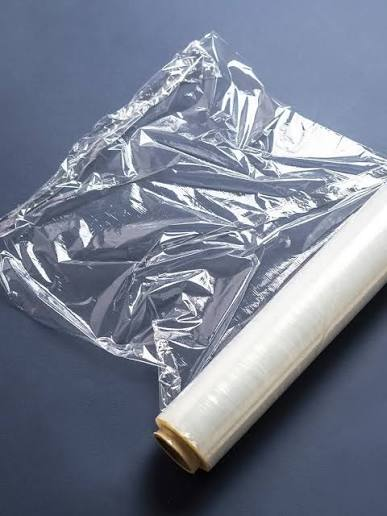
This guide explains what exporters and manufacturers should know when using stretch film for international shipments.
What Is Stretch Film for Export Packing?
Stretch film is a flexible polyethylene film that is stretched around products or pallets to hold the load together.
For export shipments, it is commonly used for:
-
Industrial equipment
-
Furniture
-
Mattress products
-
Household goods
-
Cartons and boxes
-
Food and beverage products
-
Electronic equipment
-
Automotive components
-
General manufactured goods
Stretch film is typically used as secondary or tertiary packing rather than as the primary product container.
Its main purpose is to stabilize the shipment and provide an additional protective layer during transportation and handling.
Why Is Stretch Film Important for Export Shipments?
International shipments can experience significant movement during transportation. Trucks may accelerate and brake, containers may be moved by cranes, and cargo may be handled multiple times before delivery.
A properly wrapped pallet can help reduce product movement and improve load stability.
1. Improved Load Stability
Stretch film creates tension around the pallet, helping hold individual cartons or products together as a single unit.
This can reduce:
-
Load shifting
-
Carton movement
-
Pallet instability
-
Product displacement
2. Protection Against Dust and Moisture
Stretch film provides an additional barrier against dust, dirt, and incidental moisture during storage and transportation.
This can be especially useful when products are transported through multiple warehouses or distribution centers.
3. Reduced Handling Damage
A stable pallet is generally easier to move with forklifts and pallet trucks. Proper wrapping can help keep products aligned and reduce movement during handling.
4. Better Shipment Identification
Transparent stretch film allows labels, cartons, and shipping marks to remain visible.
This can make it easier for warehouse teams and logistics operators to identify pallet contents without removing the film.
Choosing the Right Stretch Film for Export Packing
There is no single stretch film specification suitable for every export shipment. The correct choice depends on the product and transportation conditions.
Important factors include:
Film Thickness
Film thickness affects strength, puncture resistance, and material consumption.
Heavy products or pallets with sharp edges may require stronger film, while lighter and more uniform loads may work effectively with thinner high-performance film.
Stretchability
Stretchability determines how much the film can extend during wrapping while maintaining sufficient tension.
Higher-performance stretch film can potentially reduce film consumption when used with the correct wrapping equipment and settings.
Puncture Resistance
Products with sharp corners or irregular shapes can create stress points in the film.
Good puncture resistance helps reduce film breaks during wrapping and transportation.
Tear Resistance
Once a film is damaged, a small tear can sometimes expand during handling. Appropriate tear resistance helps maintain the integrity of the wrapped load.
Machine Stretch Film vs. Hand Stretch Film
Exporters should also consider whether pallets are wrapped manually or by machine.
Machine Stretch Film
Machine stretch film is designed for automatic or semi-automatic pallet wrapping equipment.
It is often suitable for high-volume export operations because machines can apply consistent wrapping tension and stretch.
Benefits may include:
-
Consistent wrapping quality
-
Higher packing speed
-
Controlled film consumption
-
Reduced manual labor
-
More uniform load containment
Hand Stretch Film
Hand stretch film is useful for small warehouses, low-volume shipments, or operations without automatic wrapping equipment.
It offers flexibility but depends heavily on operator technique. Different workers may apply different levels of tension, resulting in inconsistent film usage.
How Much Stretch Film Should Be Used?
Using more film does not automatically mean better protection.
Too little film may result in poor load stability, while excessive film increases material costs without necessarily improving performance.
The appropriate amount depends on:
-
Pallet size
-
Pallet weight
-
Product shape
-
Load height
-
Product stability
-
Film performance
-
Wrapping pattern
-
Transportation conditions
For export shipments, manufacturers should test the wrapping configuration and adjust film tension and the number of wrapping cycles according to the actual load.
Stretch Film for Container Export Shipments
Container transportation creates additional considerations.
A pallet may experience movement and vibration inside a shipping container. If the load is not sufficiently stable, cartons can shift during transportation.
Stretch film can help maintain pallet integrity, but it should not be considered the only method of securing cargo.
Depending on the shipment, exporters may also need appropriate palletization, blocking, bracing, strapping, edge protection, or other load-securing methods.
The final packing method should be selected according to the cargo characteristics and transportation requirements.
Can Stretch Film Prevent Moisture Damage?
Stretch film can provide a useful protective layer against dust and incidental moisture, but it should not automatically be considered a waterproof shipping system.
For products sensitive to humidity or condensation, exporters may need additional moisture-control measures.
This is particularly important for long-distance ocean shipments, where temperature changes can create condensation inside containers.
The appropriate solution depends on the product, container conditions, shipping route, and expected storage environment.
Common Mistakes When Using Stretch Film for Export Packing
Several packing mistakes can reduce the effectiveness of stretch film.
Using Film That Is Too Thin
If the film cannot withstand the load requirements, punctures and tears may occur during wrapping or transportation.
Applying Excessive Film
Overwrapping increases material consumption and packing costs without necessarily providing proportional benefits.
Incorrect Stretch Tension
Insufficient tension may result in poor load containment, while excessive tension can deform cartons or damage products.
Ignoring Sharp Product Edges
Sharp corners can puncture the film. Edge protection or a stronger film may be required for certain loads.
Focusing Only on Film Price
A low price per kilogram does not always mean a lower total packing cost.
Film consumption, wrapping speed, breakage, labor, and load stability should all be considered.
How to Improve Export Packing Efficiency
A systematic approach can help exporters improve both packing quality and cost efficiency.
Step 1: Analyze the Cargo
Consider product weight, dimensions, shape, pallet type, and center of gravity.
Step 2: Select Suitable Film
Choose film thickness, strength, and stretch performance based on the actual load.
Step 3: Optimize Wrapping Parameters
For machine wrapping, adjust film tension, stretch ratio, wrapping speed, and the number of cycles according to the cargo.
Step 4: Test the Wrapped Load
Check whether the pallet remains stable during handling and simulated transportation.
Step 5: Monitor Film Consumption
Measure film usage per pallet and compare it with load stability and packing performance.
This approach can help manufacturers avoid both under-wrapping and unnecessary material consumption.
Export Packing and Sustainability
Reducing unnecessary stretch film consumption can also help exporters improve material efficiency.
Using a suitable high-performance film and optimizing wrapping parameters may allow manufacturers to achieve the required load stability with less material.
Other considerations include:
-
Film thickness optimization
-
Reduced film waste
-
Efficient machine settings
-
Appropriate roll specifications
-
Responsible recycling practices where available
Sustainability should be considered together with product protection and transportation safety.
Final Checklist for Exporters
Before shipping a pallet internationally, check:
-
Is the pallet stable?
-
Is the stretch film suitable for the load?
-
Is film tension properly adjusted?
-
Are sharp edges adequately protected?
-
Is the load properly secured?
-
Are shipping labels visible?
-
Is additional moisture protection required?
-
Has film consumption been optimized?
-
Does the packing method comply with the carrier and destination requirements?
A well-designed packing process can significantly improve shipment reliability.
Conclusion
Using stretch film for export packing is an effective way to improve pallet stability, protect products from dust and incidental moisture, and reduce movement during handling and transportation.
The best results come from selecting the right film strength, thickness, stretch performance, and wrapping method for each shipment. For high-volume exporters, machine stretch film can provide more consistent wrapping and better control of film consumption.
Most importantly, stretch film should be considered as part of an overall export packing system. Proper palletization, load securing, moisture protection, and transportation requirements should all be evaluated together.
With the right stretch film and optimized wrapping process, exporters can achieve more stable loads, lower packing costs, and more reliable international shipments.
Contact Us for Stretch Film for Export Packing
Looking for reliable stretch film for export packing and pallet wrapping? NAIGU provides PE film solutions for manufacturers, exporters, warehouses, and logistics applications worldwide.
Our team can recommend suitable film specifications based on your pallet size, load weight, wrapping method, transportation requirements, and packing volume.
📧 Email: jenney@gdnaimei.com
📱 WhatsApp/Phone: +86 13924835577
🌐 Website: https://naigufilms.com/


