Stretch film plays an essential role in pallet wrapping by stabilizing loads, protecting products from dust and moisture, and reducing the risk of damage during storage and transportation. This article explains the benefits of stretch film, the differences between manual and machine stretch film, and key factors to consider when choosing stretch film for efficient pallet packing.
Stretch film is one of the most widely used materials for securing palletized goods during storage, handling, and transportation. From manufacturing plants and warehouses to logistics centers and export operations, stretch film helps keep products stable, protected, and easier to handle.
For businesses shipping mattresses, furniture, appliances, cartons, and other products, choosing the right stretch film can improve load stability while reducing packing material waste and transportation risks.
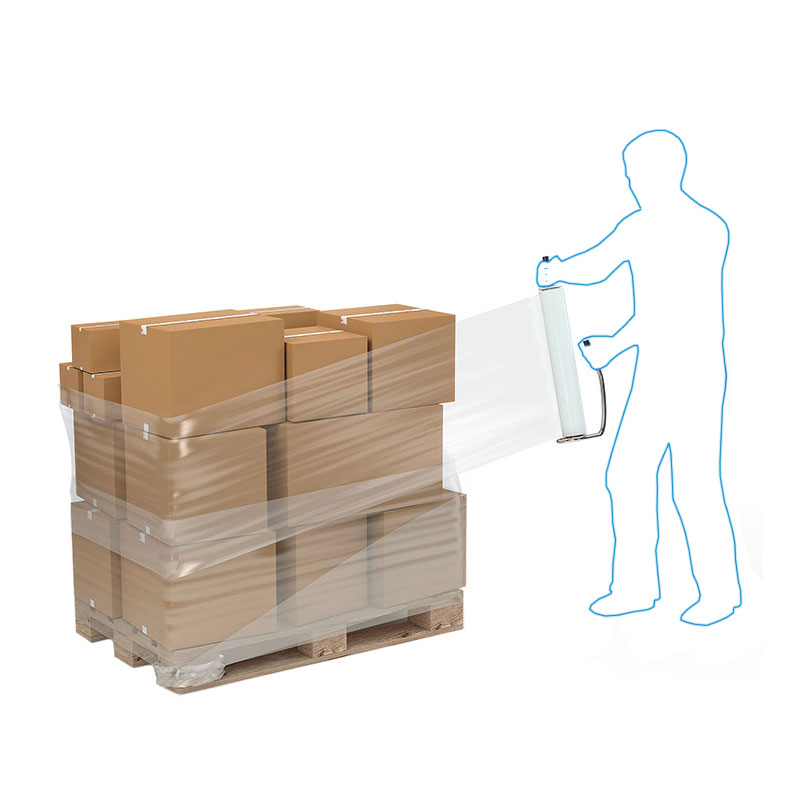
What Is Stretch Film?
Stretch film is a flexible plastic film designed to wrap around products or pallet loads. Its elasticity allows the film to stretch during wrapping and create tension around the load.
Unlike rigid packing materials, stretch film can conform closely to different pallet shapes and product sizes. This makes it suitable for securing mixed loads, cartons, boxes, furniture components, and many other products.
Why Is Stretch Film Important for Pallet Wrapping?
1. Improves Load Stability
One of the main purposes of pallet wrapping is to prevent products from shifting during transportation.
Stretch film applies tension around the pallet, helping hold individual cartons and products together as a single load. Proper wrapping can reduce movement during loading, unloading, and road transportation.
2. Protects Products From Dust and Moisture
Palletized goods can be exposed to dust, dirt, and environmental moisture while being stored or transported.
Stretch film creates an additional protective layer around the load. Depending on the film type and wrapping method, it can help reduce exposure to external contaminants and moisture.
For products that require clean and protected transportation, stretch film can be an important part of the overall packing process.
3. Reduces Product Damage
Unstable pallet loads can move or collapse during transportation, increasing the risk of product damage.
By securing cartons and products together, stretch film helps maintain pallet integrity. This is especially useful when pallets are moved by forklifts, pallet trucks, or automated warehouse systems.
4. Makes Pallets Easier to Handle
A properly wrapped pallet is generally easier to move and manage throughout the supply chain.
Stretch film helps keep loose cartons and products together, making pallets more suitable for warehouse storage and mechanical handling.
For high-volume warehouses, consistent pallet wrapping can also support more efficient loading and unloading operations.
5. Provides Flexible Packing Solutions
Stretch film can be used for pallets with different dimensions, weights, and product configurations.
Manufacturers can select different film specifications according to their application, including:
- Film thickness
- Film width
- Stretch ratio
- Film strength
- Roll length
- Manual or machine wrapping requirements
This flexibility makes stretch film suitable for both small-scale operations and high-volume industrial packing.Manual Stretch Film vs. Machine Stretch FilmStretch film is commonly divided into manual stretch film and machine stretch film.Manual stretch film is designed for operators who wrap pallets by hand. It is suitable for businesses with lower pallet volumes or applications where flexibility is more important than automation.Machine stretch film is used with automatic or semi-automatic pallet wrapping machines. It can provide more consistent wrapping tension and is often preferred for factories, warehouses, and logistics operations with high pallet volumes.For large-scale operations, machine wrapping can help improve packing consistency and reduce labor requirements.How to Choose the Right Stretch FilmThe correct stretch film depends on the product, pallet configuration, wrapping equipment, and transportation conditions.Film ThicknessThicker film can provide greater resistance to punctures and tears, while thinner film may help reduce material consumption when its performance is sufficient for the application.StretchabilityStretchability determines how much the film can elongate during wrapping. Higher stretch performance can help achieve good load containment while using less film.However, maximum stretch is not always the most important factor. The film should provide a suitable balance between stretchability, strength, and load stability.Film WidthFilm width should match the pallet wrapping application and the equipment being used. The appropriate width helps ensure efficient coverage and consistent wrapping.Film StrengthFor heavy, irregular, or sharp-edged loads, stronger film may be required to reduce the risk of tearing during wrapping and transportation.Stretch Film and Automated Pallet WrappingAs warehouses and manufacturing facilities increasingly adopt automation, machine stretch film has become an important component of automated pallet wrapping systems.Automatic and semi-automatic wrapping machines can control wrapping speed, film tension, overlap, and the number of wrapping cycles. This can help businesses achieve more consistent pallet loads and improve packing efficiency.For companies handling hundreds or thousands of pallets, automated stretch film wrapping can contribute to a more standardized packing process.Common Applications of Stretch FilmStretch film is widely used across different industries, including:
- Mattress and furniture manufacturing
- Logistics and warehousing
- Food and beverage distribution
- Electronics and appliance manufacturing
- Building materials
- Chemical and industrial products
- E-commerce fulfillment
- Export packing
In mattress and furniture factories, stretch film can be used to secure finished products, cartons, components, or palletized materials before shipment.How Stretch Film Can Improve Warehouse EfficiencyEffective pallet wrapping is not only about product protection. It can also influence overall warehouse efficiency.A stable pallet is easier to store, move, and load. Consistent wrapping can reduce the time operators spend correcting unstable loads and help standardize packing procedures.When combined with suitable wrapping equipment, stretch film can support faster and more predictable pallet preparation.ConclusionStretch film is essential for pallet wrapping because it helps stabilize loads, protect products, simplify handling, and support efficient transportation. The right combination of film strength, stretchability, thickness, and wrapping method can make a significant difference in packing performance.For manufacturers, warehouses, and logistics companies, selecting stretch film according to actual load requirements is an important step toward safer and more efficient pallet packing.Need reliable stretch film or pallet packing solutions? Contact NAIGU to discuss the right film specifications and packing equipment for your application.📧 Email: jenney@gdnaimei.com
📱 WhatsApp/Phone: +86 13924835577
🌐 Website: https://naigufilms.com/


